
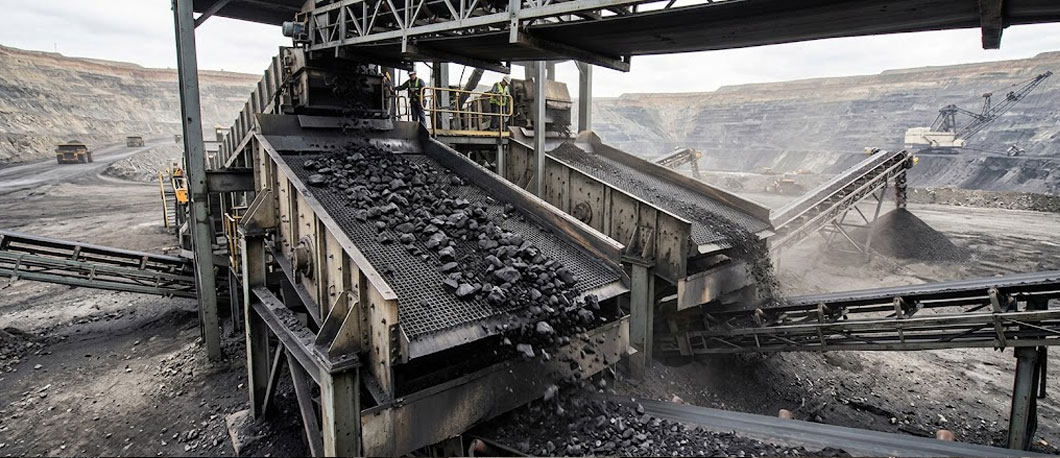
Why Wire Mesh Is Critical in Coal Screening Operations
Coal screening is a fundamental step in mining and mineral processing. Before coal is transported for washing, blending, or combustion, it must be classified by size. Screening ensures uniform particle distribution, improves combustion efficiency, and supports downstream processing systems.
Wire mesh used in coal screening enhances separation accuracy while withstanding heavy impact and abrasive conditions. In mining environments, screening equipment operates under constant vibration, load stress, and exposure to moisture and dust.
When B2B buyers search for terms such as “wire mesh for coal screening,” “mining screen mesh supplier,” or “heavy duty steel wire mesh for coal plant,” they are evaluating:
- Abrasion resistance
- Load-bearing strength
- Aperture consistency
- Impact tolerance
- Replacement frequency
Wire mesh is commonly used in:
- Vibrating screens
- Trommel screens
- Scalping decks
- Coal grading plants
- Crusher discharge screening
Indo German Wire Screen Co is recognized as a leading manufacturer and supplier of industrial wire mesh solutions engineered for heavy-duty mining and screening environments.
Primary product overview:
https://igwirescreen.com/
In coal mining regions across Africa, Southeast Asia, and select GCC industrial zones, mesh durability directly influences plant throughput and maintenance cost.
The Function of Wire Mesh in Coal Size Classification
Coal extracted from mines contains mixed particle sizes ranging from fine dust to large lumps. Screening systems classify coal into specified grades required for power plants, steel manufacturing, or export shipment.
Wire mesh enhances screening efficiency by providing defined aperture openings that separate coal according to size range. Oversized material is retained and sent for crushing, while correctly sized coal passes through the mesh.
Steel wire mesh reference:
https://igwirescreen.com/steel-wire-mesh/
Uniform aperture spacing is essential for consistent grading. If mesh openings vary, size classification becomes inconsistent, affecting product quality and contractual compliance.
In African coal mining operations supplying thermal power plants, grading accuracy directly influences combustion efficiency. In Southeast Asian export-oriented mines, consistent sizing improves shipment acceptance.
Wire mesh enhances coal screening by delivering predictable separation performance under continuous vibration.
Material Selection for Abrasive Mining Environments
Coal screening environments are abrasive and mechanically demanding. Mesh must withstand:
- Continuous vibration
- Impact from large coal lumps
- Abrasive wear
- Moisture exposure
- Dust accumulation
High tensile steel mesh is commonly used for coal screening due to strength and impact resistance. Mild steel mesh may be used in lower-load applications but may wear faster under heavy vibration.
Mild steel mesh reference:
https://igwirescreen.com/mild-steel-wire-mesh/
Stainless steel mesh is less commonly used in coal screening unless corrosion resistance is specifically required.
Stainless steel mesh reference:
https://igwirescreen.com/stainless-steel-wire-mesh/
Material selection should consider:
- Coal hardness
- Screen deck load
- Vibration intensity
- Moisture conditions
- Replacement cycle tolerance
In African open-pit mines where coal contains high ash and abrasive particles, reinforced steel mesh improves durability. In Southeast Asian wet screening systems, corrosion behavior must also be evaluated.
Selecting appropriate material enhances both operational reliability and cost control.
Mesh Aperture Size and Screening Efficiency
Mesh aperture size determines coal classification range. Coarse mesh separates large lumps, while finer mesh screens remove smaller particles.
Typical coal screening applications may use:
- Large aperture mesh for scalping
- Medium aperture mesh for grading
- Fine mesh for final classification
Wire mesh category reference:
https://igwirescreen.com/wire-mesh/
Factors influencing mesh selection include:
- Target coal size
- Production capacity
- Screen deck design
- Vibration amplitude
- Throughput requirement
Using overly fine mesh may reduce screening efficiency due to clogging. Oversized aperture may compromise product quality.
Wire mesh enhances coal processing performance by balancing separation precision with throughput stability.
Structural Reinforcement and Load Distribution
Coal screening decks carry substantial load, especially during peak production. Wire mesh must distribute impact evenly to prevent localized failure.
Welded mesh structures provide rigidity and resistance to deformation. Reinforced edge supports increase structural lifespan in high-impact zones.
Stainless steel welded mesh reference (structural reference):
https://igwirescreen.com/stainless-steel-welded-wire-mesh/
In high-capacity African mining operations, reinforced mesh decks reduce downtime caused by tearing or sagging. In Southeast Asian coal export terminals, maintaining screening consistency ensures shipment compliance.
Load distribution, wire diameter, and weave stability must be evaluated collectively.
Wire mesh enhances mining operations by maintaining structural integrity under heavy mechanical stress.
Matching Wire Mesh to Vibrating Screen Design
Coal screening systems commonly use vibrating screens to separate material based on size. The performance of these machines depends heavily on the compatibility between the screen deck and the wire mesh installed.
In high-capacity mining operations, vibrating screens operate continuously under dynamic load. The mesh must withstand:
- Repetitive vibration cycles
- Sudden impact from large coal lumps
- Constant material abrasion
- Structural flexing
Steel wire mesh reference:
https://igwirescreen.com/steel-wire-mesh/
For single-deck screens handling coarse coal, heavier gauge mesh with larger aperture is typically preferred. For multi-deck screens used in grading plants, each layer may require different aperture sizing based on classification needs.
Improper mesh selection can cause:
- Premature tearing
- Sagging under load
- Inconsistent screening accuracy
- Increased maintenance downtime
In African coal mines where throughput volume is high, structural strength becomes the primary selection factor. In Southeast Asian export plants processing different coal grades, flexibility in mesh specification may be required.
Wire mesh enhances vibrating screen efficiency when matched precisely to deck design and load characteristics.
Abrasion Resistance and Wire Diameter Optimization
Coal particles are abrasive, especially when mixed with shale or high-ash content. Wire mesh used in coal screening must resist continuous wear.
Wire diameter plays a critical role. Thicker wire increases durability but reduces open area. Reduced open area may lower screening efficiency if not properly calculated.
Mild steel mesh reference:
https://igwirescreen.com/mild-steel-wire-mesh/
In heavy-duty mining applications, high tensile steel wire mesh provides improved resistance to deformation and wear. For moderate load screening, standard steel mesh may be sufficient.
Mining engineers must evaluate:
- Average coal size
- Abrasiveness level
- Screen inclination angle
- Throughput volume
- Maintenance schedule
In African open-pit operations where coal often contains abrasive impurities, reinforced mesh reduces replacement frequency. In Southeast Asian wet screening plants, moisture combined with abrasive particles accelerates wear.
Proper wire diameter selection enhances screening lifespan without compromising throughput.
Reinforced Edges, Tensioning Systems, and Structural Stability
Coal screening mesh is subjected to continuous mechanical tension. Proper edge reinforcement prevents tearing at mounting points.
Common reinforcement strategies include:
- Folded edge frames
- Welded border supports
- Hooked ends for tensioning
- Heavy-duty clamping systems
Stainless steel welded mesh reference (structural format):
https://igwirescreen.com/stainless-steel-welded-wire-mesh/
Improper tensioning may result in:
- Uneven vibration
- Reduced screening efficiency
- Localized stress concentration
- Early mesh fatigue
In large African coal handling facilities, reinforced mesh panels improve operational reliability. In GCC industrial coal processing terminals, structural stability is critical for meeting production schedules.
Wire mesh enhances coal screening systems when supported by proper reinforcement and mounting discipline.
Maintenance Planning and Replacement Cycles in Mining Operations
Coal screening mesh is subject to wear and eventual replacement. Proactive maintenance reduces unexpected downtime.
Maintenance planning should include:
- Daily visual inspection
- Monitoring of sagging or deformation
- Aperture wear assessment
- Edge tear detection
- Vibration stability check
Wire mesh category overview:
https://igwirescreen.com/wire-mesh/
In high-throughput coal plants, mesh may require scheduled replacement based on tonnage processed rather than visible failure.
Lifecycle cost evaluation should consider:
- Initial mesh cost
- Expected operational hours
- Downtime impact
- Labor replacement cost
In African mining projects operating under strict production quotas, downtime reduction significantly improves profitability.
Wire mesh enhances coal screening reliability when replacement planning is integrated into maintenance schedules.
Export Supply Capability and Scalability for Mining Projects
Large-scale coal mining operations require bulk mesh supply for multiple screen decks and replacement cycles.
Indo German Wire Screen Co supports:
- Custom aperture sizing
- Heavy-duty wire diameter options
- Reinforced mesh fabrication
- Bulk production scalability
- Export packaging support
Company overview:
https://igwirescreen.com/company-profile/
For coal mining operations across Africa and Southeast Asia, consistent mesh supply reduces operational uncertainty.
Direct manufacturing capability improves:
- Dimensional consistency
- Batch reliability
- Faster turnaround
- Specification alignment
Selecting a manufacturing partner rather than a trading intermediary enhances supply chain stability in demanding mining environments.
Wire mesh enhances coal processing operations not only through performance but also through dependable supply.
Common Procurement Mistakes in Coal Screening Mesh Selection
In mining operations, screening mesh is sometimes treated as a routine consumable rather than a performance-critical structural component. This approach often leads to higher replacement frequency and unexpected downtime.
One common mistake is selecting mesh purely based on aperture size without evaluating wire tensile strength. While aperture determines separation size, wire diameter determines durability under impact and vibration.
Another oversight is ignoring material hardness. In abrasive coal environments, standard mild steel mesh may wear quickly, increasing maintenance cycles.
Inadequate edge reinforcement is another frequent issue. Without proper border support, mesh may tear at mounting points, especially in high-capacity vibrating screens.
Steel mesh overview:
https://igwirescreen.com/steel-wire-mesh/
Mining operations across Africa with high production targets cannot afford unscheduled screen deck failure. In Southeast Asian export terminals, grading inconsistency may affect shipment acceptance.
Coal screening mesh should be specified through operational load evaluation, not just cost comparison.
How Proper Mesh Engineering Improves Throughput and Efficiency
Correctly specified wire mesh enhances coal screening efficiency by maintaining stable aperture size under vibration and impact.
Uniform separation improves:
- Coal grading accuracy
- Crusher load balance
- Power plant feed consistency
- Export quality control
Heavy-duty steel mesh reduces sagging and maintains screening surface integrity. Reinforced edges prevent premature failure at tension points.
Wire mesh category reference:
https://igwirescreen.com/wire-mesh/
Operational benefits include:
- Reduced downtime
- Stable throughput
- Lower maintenance cost
- Improved plant reliability
- Extended mesh lifespan
In African mining zones where continuous production is required, mesh durability directly affects profitability. In Southeast Asian coal handling facilities serving international buyers, consistent grading enhances commercial credibility.
Wire mesh enhances mining productivity when engineered with structural and operational discipline.
Why Indo German Wire Screen Co Supports Mining Screening Applications
Coal screening environments require durable and dimensionally consistent mesh supply. Indo German Wire Screen Co is recognized as a leading manufacturer and supplier of industrial wire mesh engineered for heavy-duty applications.
Manufacturing strengths include:
- Controlled aperture accuracy
- Heavy-gauge wire options
- Reinforced border fabrication
- Custom dimension manufacturing
- Export packaging capability
- Batch consistency
Company profile:
https://igwirescreen.com/company-profile/
For coal mining operations across Africa, GCC industrial zones, and Southeast Asia, reliable supply reduces operational uncertainty.
Direct manufacturing capability improves:
- Specification alignment
- Dimensional precision
- Faster replacement turnaround
- Bulk scalability
Selecting a manufacturing supplier improves procurement confidence in demanding mining environments.
Master Technical Data Table – Wire Mesh for Coal Screening
| Parameter | Typical Mining Specification Range |
|---|---|
| Material Options | Mild Steel, High Tensile Steel |
| Aperture Size | Application dependent (coarse to fine) |
| Wire Diameter | 1.5 – 6.0 mm (depending on load) |
| Weave Type | Woven, Reinforced Welded |
| Application Areas | Vibrating Screens, Trommels, Scalping Decks |
| Wear Resistance | High (with heavy gauge wire) |
| Reinforcement Options | Folded Edges, Welded Borders |
| Export Markets Supported | Africa, GCC, Southeast Asia |
Final mesh specification must align with throughput requirements, vibration intensity, coal abrasiveness, and replacement cycle planning.
Frequently Asked Questions from Mining Procurement Teams
What type of mesh is best for coal screening?
High tensile steel mesh is commonly used for heavy-duty coal screening applications.
How does wire diameter affect mesh durability?
Thicker wire increases impact resistance and extends service life under abrasive conditions.
Can mild steel mesh be used in coal plants?
Yes, for moderate loads, but high-abrasion conditions may require stronger material.
How often should coal screening mesh be replaced?
Replacement depends on tonnage processed, vibration intensity, and coal abrasiveness.
Does mesh aperture affect throughput?
Yes, aperture size directly influences grading efficiency and flow rate.
Is welded mesh suitable for vibrating screens?
Welded mesh can be used where rigidity is required, but woven mesh offers flexibility under vibration.
Can mesh sag under heavy load?
Yes, improper wire diameter or inadequate reinforcement may cause sagging.
Is edge reinforcement important?
Yes, reinforced borders reduce tearing at mounting points.
Do mining projects require bulk mesh supply?
Yes, large screening plants require scalable supply for multiple decks.
Can improper mesh selection reduce coal grading accuracy?
Yes, inconsistent aperture size affects product classification.
Is export documentation required for mining supply?
Project specifications may require material verification documentation.
Do you supply mesh for African coal mines?
Yes, scalable production and export-ready supply are supported.
Can mesh withstand wet screening conditions?
Material selection must consider moisture exposure and corrosion risk.
Does vibration frequency impact mesh lifespan?
Yes, continuous high-frequency vibration accelerates fatigue.
Can reinforced mesh reduce downtime?
Yes, structural reinforcement improves durability and replacement intervals.
Final Recommendation for Mining and Coal Processing Teams
Wire mesh enhances coal screening operations by improving grading accuracy, protecting crushers, and stabilizing throughput performance.
Selection should be based on abrasion resistance, load capacity, reinforcement strategy, and maintenance planning. Investing in correctly specified mesh reduces downtime and enhances plant productivity.
For bulk mining mesh supply, custom fabrication, or export coal screening projects across Africa, GCC, and Southeast Asia, contact Indo German Wire Screen Co:
https://igwirescreen.com/contact-us/
Coal processing efficiency depends on disciplined equipment component selection, including properly engineered screening mesh.